Why Do Plush Toys Influence Emotional Bonding?
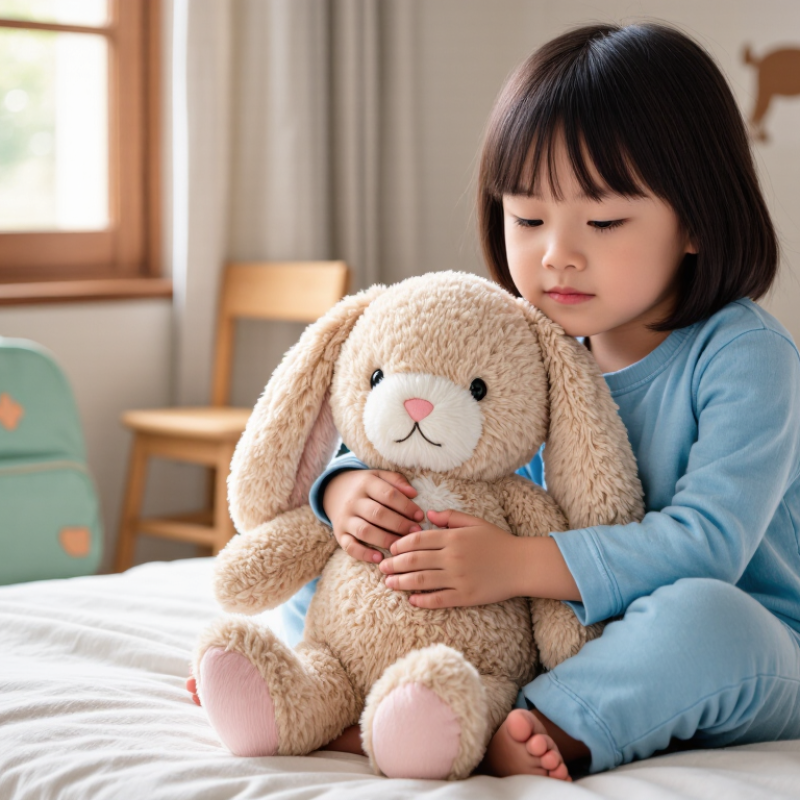
A plush toy can become more than a soft object. It may sit beside a child during bedtime, travel inside a small backpack, or absorb whispered fears after a difficult day. These repeated moments create emotional meaning. They also explain how do plush toys influence emotional bonding. Through touch, imagination, and routine, plush toys can offer comfort when human support feels distant. Their familiar texture may help children calm their bodies and express feelings indirectly.
British pediatrician and psychoanalyst D. W. Winnicott wrote, “It is in playing and only in playing that the individual child is able to be creative.” His work on transitional objects helps explain why a teddy bear or stuffed animal may support emotional development. The toy can represent safety while children gradually build independence. It becomes a quiet bridge between dependence and self-confidence.
Still, the relationship is not automatically healthy. Not every child bonds with plush toys. Family attachment, temperament, culture, and personal experience also matter. A toy cannot replace responsive caregiving. That would be too simple.
This article examines how plush toys influence emotional bonding through sensory comfort, symbolic play, memory, and daily rituals. It considers both research-informed explanations and real household experiences. A child may squeeze a worn ear before sleeping, then carry the same toy into a new classroom. Small actions can hold deep emotional weight. Yet the meaning remains personal, changeable, and sometimes difficult to measure.
Why Do Plush Toys Influence Emotional Bonding?
Definition and Emotional Role of Plush Toys
Plush toys are soft, portable objects that often support comfort, play, and emotional expression. Their texture, familiar shape, and friendly faces can create a steady sense of safety. A child may hold one during a thunderstorm or place it beside a pillow each night. These repeated moments can turn an ordinary toy into a meaningful emotional reference point.
Grand View Research estimates that the global stuffed and plush toys market reached approximately US$7.6 billion in 2023. This commercial scale suggests sustained demand, but sales figures cannot prove emotional benefits. Developmental psychology offers a clearer explanation. Research on transitional objects shows that familiar items may help children manage separation and unfamiliar environments. Plush toys can also encourage pretend play, where children practice caring, naming feelings, and solving small social problems.
The evidence remains imperfect. A plush toy cannot replace responsive adults, stable routines, or professional support. Some children prefer blankets, clothing, or no comfort object at all. That difference matters. Adults should observe the child rather than force attachment. A worn ear, flattened fur, or carefully guarded bedtime companion may reveal personal meaning. The emotional role develops through experience, not through the toy alone.
Definition and Emotional Role of Plush Toys
Plush toys can become comforting transitional objects because they combine familiarity, softness, symbolic meaning, and predictable sensory feedback. The chart shows approximate developmental windows in which related abilities commonly emerge, helping explain why plush toys may support emotional regulation, imaginative play, and a sense of security.
Developmental ranges are approximate and synthesized from established developmental psychology literature, including work on transitional objects, attachment, object recognition, and pretend play by D. W. Winnicott, Jean Piaget, and widely used developmental milestone references.
Plush toys can support emotional bonding through sensory signals that feel safe and familiar. A soft surface gives the hands gentle feedback during stressful moments. Light pressure against the chest may also encourage slower breathing. These sensations can make comfort feel physical, not merely imagined. Familiar textures become especially meaningful after repeated bedtime routines or difficult days. Research on tactile comfort suggests that predictable touch can support emotional regulation. It does not solve distress, but it may create a steadier moment.
Tips: Choose a toy with a washable, breathable fabric. Notice whether its texture feels soothing or irritating. Try holding it while breathing slowly for one minute. A familiar scent can help, but avoid strong fragrances around sensitive users. Keep the toy within reach, not hidden in a drawer. Small routines matter.
Visual details can strengthen the bond too. Rounded shapes, calm colors, and friendly facial features often appear less threatening. However, comfort is personal. One person may prefer dense stuffing, while another needs a loose, flexible body. I once assumed the softest toy would feel best, but some textures felt strangely cold and lifeless. That mistake matters. Sensory comfort should be tested, not predicted. Plush toys can become emotional anchors through repeated, ordinary contact: a warm palm, a quiet room, and something familiar beside the pillow.
A plush toy often becomes meaningful through repeated, ordinary contact rather than dramatic events. A child may sleep with it, carry it during travel, or hold it during a difficult night. These routines create predictable sensory cues: soft fabric, familiar weight, and a recognizable shape. Over time, the toy can signal safety before a child can explain that feeling. Attachment researchers connect familiar objects with emotional regulation, especially during separation or change. The object does not replace human care. It supports it.
Adults can form similar attachments through memory and repetition. After a stressful day, touching a familiar plush toy may slow breathing or make a room feel less empty. Familiarity also reduces uncertainty. The toy asks nothing and remains consistent. I have noticed that people often speak to these objects differently after years of keeping them nearby. Still, the explanation is not always neat. Some people preserve a plush toy because it recalls a caring relative, while others keep one simply because its texture feels calming. That discomfort deserves attention. A plush toy may reflect comfort, grief, loneliness, or ordinary habit. Yet personal history matters more than appearance. The same worn ear or faded seam can hold a private meaning that outsiders cannot fully measure.
The Influence of Memory, Imagination, and Personal Meaning
A plush toy can become more than a soft object. It may hold the memory of a childhood bedroom, a hospital visit, or a thoughtful gift. These memories give the toy emotional weight. Psychologists often describe familiar comfort objects as supports during change or separation. Their value does not come from fabric alone. It grows through repeated experiences, especially quiet moments before sleep or during fear. A worn ear, faded ribbon, or flattened paw can make the object feel even more personal. Those imperfections often preserve a real chapter of life.
Imagination adds another layer. Children may give a toy a voice, a history, or a protective role. This private storytelling can help them practice empathy and manage difficult feelings. Adults may also use plush toys as gentle reminders of safety, friendship, or someone they miss. The meaning changes with time. A toy once used for play may later represent resilience after a difficult period. I think this explains part of its influence, although emotional bonding is never identical for everyone. Some people feel comfort immediately. Others feel nothing at all. Personal history matters more than appearance, price, or supposed age suitability. Even a small toy on a desk can quietly carry years of meaning.
Plush toys can become emotional anchors through touch, memory, and repeated social rituals. Their soft fabric offers predictable sensory comfort during stressful moments. A child may squeeze one before sleep, while an adult may keep one beside a laptop. These small routines give the object personal meaning. Circana’s 2024 U.S. toy report estimated that kidult purchases reached about $9 billion in 2023. This figure suggests that comfort and nostalgia extend well beyond childhood.
Social influence also strengthens attachment. A plush toy received from a caregiver can represent protection, attention, or a shared private joke. In classrooms and homes, children may use toys to practice empathy, storytelling, and conflict repair. The Toy Association’s recent consumer research identifies comfort, collecting, and self-expression as important reasons adults purchase toys. The object becomes familiar. Its emotional value grows through repetition, not price.
Psychological research supports this pattern, but the evidence needs careful interpretation. The American Psychological Association’s Stress in America reporting shows that many people experience persistent daily stress, yet it does not prove that plush toys reduce stress for everyone. Personal history, sensory preference, age, and cultural expectations all matter. Some people feel comforted; others feel embarrassed or indifferent. My own observation is imperfect: I may notice visible affection more easily than quiet resistance. A plush toy can support emotional bonding, but it cannot replace dependable human care.
Their soft texture, familiar shape, and friendly face can create a steady feeling of safety. Repeated contact builds personal meaning.
A child may hold it during thunderstorms or place it beside a pillow at night. These routines can ease unfamiliar moments.
No. A plush toy cannot replace responsive adults, stable routines, or professional support. It offers limited comfort.
Soft fabric gives the hands gentle feedback during stress. Light pressure against the chest may encourage slower breathing.
No. Some children prefer blankets, clothing, or nothing at all. Adults should observe preferences instead of forcing attachment.
Washable fabric, rounded shapes, calm colors, and flexible stuffing may feel reassuring. Comfort remains personal and should be tested.
Keep the toy near the bed, not hidden in a drawer. Hold it while breathing slowly for one minute.
A worn ear, flattened fur, or carefully guarded bedtime companion may reveal attachment. The toy’s history matters more than appearance.
A familiar scent may help some people. Strong fragrances can bother sensitive users, so this choice requires caution.
Not always. I once assumed the softest toy would feel best, but some textures seemed cold and lifeless. Comfort needs reflection.
Plush toys can play an important role in emotional bonding by offering a sense of comfort, security, and companionship. Their soft textures, gentle shapes, and comforting weight can help calm the body and create feelings of safety, especially during stressful or lonely moments. Over time, repeated contact with a familiar plush toy may turn it into a meaningful emotional attachment. Questions such as “how do plush toys influence emotional bonding” can be understood through this connection between sensory comfort and personal experience.
Memory, imagination, and personal meaning also make plush toys emotionally significant. A toy may remind someone of childhood, a caring person, or a special moment, while imaginative play can give it a personality and emotional role. In addition, social and psychological factors influence bonding, as plush toys may support self-expression, emotional regulation, and feelings of companionship. Their value is therefore not limited to their physical form; it grows through familiarity, memories, imagination, and the unique meaning each person assigns to them.

Petto Toys